If you’re considering buying a property in Christchurch, the earthquakes of 2010 and 2011 are likely on your mind. More than a decade later, questions about structural integrity still matter. Not every damaged property was properly repaired, and not every repair was carried out to the standard you’d expect. Our team has inspected hundreds of Christchurch properties since the quakes, and we’ve seen everything from exemplary repairs to concerning shortcuts that weren’t immediately obvious.
The passage of time doesn’t erase structural damage. Properties that weathered the quakes may have sustained damage that was never addressed, particularly if it seemed minor at the time. Hairline cracks can widen, foundations can continue to settle unevenly, and repairs done in a hurry may not hold up over the years.
What makes this challenging for buyers is that some damage isn’t visible during a casual viewing. We regularly find issues hidden behind fresh paint, new cladding, or finished interior walls. A property that looks fine on the surface might have foundation problems, compromised framing, or inadequate repair work lurking beneath.
Most people know about the residential red zone, but the reality of post-quake Christchurch is more nuanced. Properties in the green zone – those deemed suitable for rebuilding – can still have problems. Land categorisation doesn’t tell you about individual property damage or repair quality.
We’ve inspected green zone properties with significant foundation issues and homes on land that performed well but sustained structural damage from shaking. The Land Information New Zealand (LINZ) site provides technical categorisation information, but it’s your building inspection that reveals what actually happened to the specific house you’re considering.

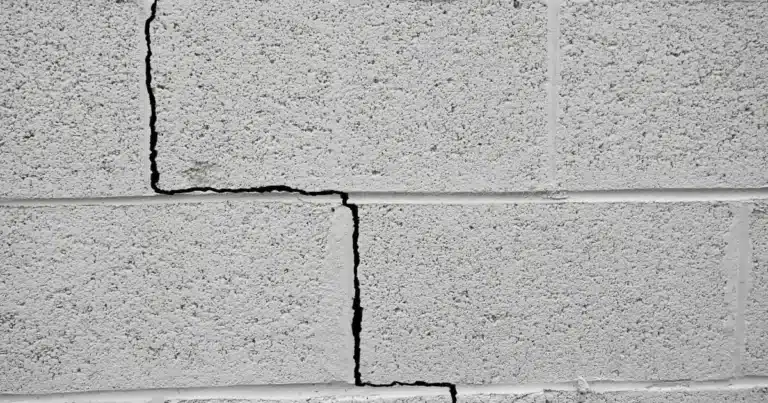
Foundation movement is the big one. Properties can look perfectly fine but have foundations that shifted during the quakes. This affects everything above it – door frames, windows, and wall alignment. We look for signs such as doors that don’t close properly, gaps between skirting boards and floors, or cracks that follow a pattern rather than appear random.
Liquefaction damage can be subtle. Even if a property wasn’t in an obvious liquefaction zone, some ground movement may have occurred. We check for uneven floors, separating walls, and signs that the house has moved relative to its foundations. These problems often worsen over time.
Inadequate repairs are surprisingly common. Morgan has seen repairs that addressed cosmetic damage but ignored underlying structural issues. Fresh plaster over cracks without proper investigation of what caused them. Cladding repairs that look acceptable but weren’t done to code. These shortcuts create problems down the track.
The insurance and repair process after the earthquakes was complex and, in many cases, prolonged. Some homeowners lost track of documentation. Others completed repairs without proper consent or certification. This creates risk for you as a buyer.
We frequently encounter situations in which the seller assures the buyer that repairs were done properly, but there’s no documentation to verify it. Without building consent documentation, you can’t be certain that the work met standards. Without the engineer’s reports, you don’t know whether the structural repairs were necessary or adequate.
Our inspections can identify work that appears to be earthquake-related repairs, but we can’t tell you if it was done with proper consent or oversight. That’s information you need to request from the seller before committing to purchase. If they can’t provide it, that’s a significant red flag.
During an inspection, we’re looking for evidence of both damage and the quality of repairs. This takes longer than a standard pre-purchase inspection – typically two hours for a Christchurch property with potential earthquake-related issues. We examine foundations, structural framing, wall alignment, floor levels, and connections between building elements.
We check whether repairs were carried out correctly. This includes examining new framing, foundation work, and whether proper engineering principles were followed. We look at how new work integrates with the existing structure and whether there are signs of ongoing settlement or movement.
If we find concerns, our report explains what we’ve identified and what we recommend. Sometimes this means suggesting you get a structural engineer’s assessment before proceeding. Other times, we can tell you an issue is cosmetic rather than structural. Our role is to give you the information you need to make an informed decision.
Properties that sustained earthquake damage often developed water ingress problems. Cracks in foundations allow moisture penetration. Damaged cladding allows water to seep behind the walls. Shifted rooflines create pooling that wouldn’t have occurred before.
We pay particular attention to moisture indicators when inspecting Christchurch properties. Water damage from earthquakes can lead to rot, rust, and mould that continue to develop years later. These issues often hide within wall cavities or subfloor areas where casual viewers won’t spot them.
Beyond the inspection, there are questions you should ask the seller directly. Was the property damaged in the earthquakes? If so, what repairs were done? Can they provide building consent documentation, code compliance certificates, and any engineer’s reports? Was there an insurance claim, and if so, was it settled satisfactorily?
Ask about the Earthquake Commission (EQC) involvement. Was there a claim? What was the outcome? Many properties had claims that were settled, repaired under insurance direction, or handled directly by owners. Understanding this history helps you assess risk.
Don’t be shy about requesting documentation. Responsible sellers understand that buyers need this information. Sellers who become defensive or can’t produce paperwork should raise concerns. In our decades of experience, properties with proper documentation typically reflect higher repair standards than those without.
Book your building inspection early in the buying process, ideally before auction or before making an unconditional offer. This gives you time to obtain additional specialist reports if our inspection reveals concerns. You don’t want to be scrambling to get a structural engineer’s opinion after you’ve already committed to purchase.
If you’re buying at auction, get the inspection done beforehand. We regularly inspect properties for buyers who are considering bidding. The cost of an inspection – which ranges from $299 to $800 depending on property complexity – is negligible compared to the financial risk of buying a property with hidden earthquake damage.
Not every Christchurch property has problems. Many were undamaged, and many repairs were carried out to excellent standards. The point isn’t to be fearful, but to be informed. With proper inspection and documentation review, you can buy with confidence.
Properties that were damaged and properly repaired can be perfectly sound. The key is verification. Our inspections help you understand what you’re buying, whether that’s a property with no earthquake history, one with minor damage that was well-repaired, or one where further investigation is needed before you proceed.
The Christchurch property market has matured significantly since the earthquakes. Buyers are more informed, and there’s better awareness of what to look for. Working with experienced inspectors who understand post-quake properties is your best protection against unpleasant surprises down the track.
Buying property in Christchurch requires a bit more due diligence than in cities without recent seismic history. That’s not a weakness of the market – it’s simply reality. Our team’s experience with hundreds of post-quake properties means we know what to look for and how to help you make an informed decision. Whether a property sailed through the earthquakes untouched or has a repair history, we’ll give you the clear, professional assessment you need to move forward with confidence.
Alert Building Inspection Services provides comprehensive building reports across Christchurch and New Zealand. Trust our expert inspectors to give you clarity and confidence in your property decisions. For professional building inspection services and expert advice, visit our website. Book your building inspection here. You can also read more articles like this on our blog.
Copyright © 2016- Alert Building Inspections
M Wong says:
This is such an important read for anyone considering a post-quake property purchase—the structural integrity questions directly impact how a space can be designed and lived in long-term. I’ve consulted with clients in Christchurch who’ve inherited unexpected constraints from undetected damage, and it fundamentally changes the aesthetic and functional possibilities of a renovation. Understanding the inspection process upfront feels like the foundational layer (to borrow a design principle!) that everything else builds upon, so I appreciate how thoroughly you’ve broken down what buyers should actually be looking for rather than glossing over it.
Olivia Chen says:
Disagree on the suggestion that older post-quake repairs are automatically safer than newer ones—I’ve found the opposite tends to be true, where earlier fixes were sometimes rushed or didn’t meet updated building standards that came in over the years. Seems like the real variable is *who* did the work and whether it was properly certified, rather than just how long ago the damage occurred.
Bec F. says:
Bought a quake-damaged property in Christchurch back in 2016 and the inspection costs were brutal, but honestly they saved me from a $80k repair bill that the initial valuation missed. The engineering reports aren’t optional—they’re your insurance against overpaying for structural issues that’ll tank your ROI down the track.
Jim McD says:
The engineer’s report thing is crucial when you’re buying remotely – I’d actually get two inspections done by different firms if there’s any uncertainty, because the cost difference is nothing compared to inheriting someone else’s foundation problems. When I was looking at Christchurch properties last year, I noticed a lot of agents downplay older damage that’s been “repaired,” so make sure your inspector specifically calls out what’s been fixed versus what’s original damage.
Tom G says:
Absolutely – and from what I’ve seen with buyers post-quake, the inspection report is only half the battle; you really need someone who can translate what those findings actually mean for your wallet and your timeline. Too many people get spooked by a report without understanding whether they’re looking at a $5k fix or a $50k rebuild, which changes everything about whether a property’s worth pursuing.
S.M. says:
The inspection timeline piece is critical but I’d flag that most buyers underestimate the cost of remedial work on older Christchurch stock – we’ve picked up several properties where the initial engineer’s report missed foundation issues that only surfaced during actual repairs. Getting a second structural opinion before committing isn’t overkill, it’s just sensible due diligence.
The Flying Finn says:
The structural engineer reports are crucial, but I’m curious whether buyers are actually getting independent assessments done post-2011, or just relying on the seller’s documentation? In my experience with older properties, the difference between what’s officially cleared and what an independent inspection reveals can be substantial.
Catherine Jones says:
The structural engineer reports are crucial here, but don’t underestimate the insurance history either. it’ll tell you exactly what’s been claimed and repaired since the quakes. I’ve passed on a few Christchurch properties purely because the repair work wasn’t done to standard, and trying to fix that later costs a fortune.