You’ve found what looks like the perfect Christchurch home. The price is right, the location works, and the property looks well maintained. But there’s one question that should be on every buyer’s checklist: has this property been tested for methamphetamine contamination?
The financial and health consequences of purchasing a contaminated home can be severe, and the issue affects properties across all price brackets and neighbourhoods — including Christchurch’s most desirable suburbs.
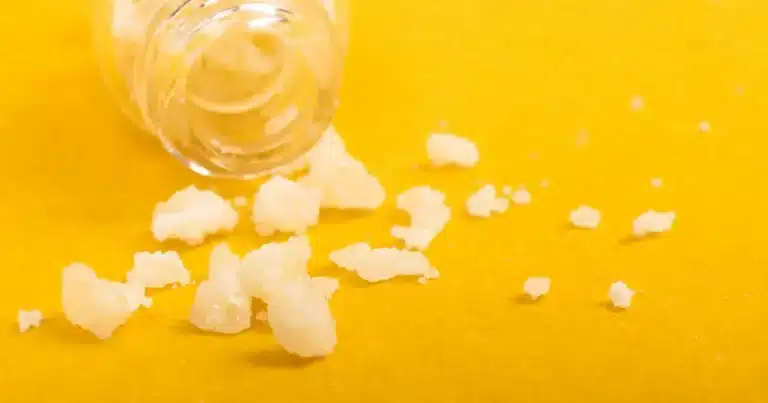
Methamphetamine contamination occurs in two ways: through the manufacture of the drug or through repeated smoking within a property. Manufacturing creates far higher contamination levels, but even homes used solely for consumption can exceed safe thresholds. The concerning reality is that contamination isn’t always visible.
Fresh paint, new carpets, and renovated interiors can mask the problem entirely from a visual inspection. Residues settle into porous surfaces — plasterboard, timber framing, carpet underlay, and soft furnishings — where they can persist for years and continue to off-gas into living spaces.
The Ministry of Health has set a guideline level of 1.5 micrograms per 100 square centimetres as the threshold for residential properties. Homes testing above this level require professional decontamination before they’re considered safe to live in.
Decontamination costs range from $10,000 for minor contamination to well over $100,000 in severe cases. Extreme situations may require complete interior stripping — walls, ceilings, carpets, and ventilation systems. Banks are also increasingly cautious about contaminated properties, with some lenders refusing finance until decontamination has been completed and verified. This can complicate your purchase or any future sale.
Christchurch buyers dealing with post-earthquake properties face a compounding risk. Homes that have undergone extensive EQC repairs may have changed hands multiple times or been tenanted during the repair period, increasing the likelihood that contamination has gone undetected beneath new surfaces.
Meth testing should occur during your due diligence period, ideally alongside your building inspection. This timing gives you the opportunity to negotiate or withdraw if you detect contamination. Professional testing involves collecting samples from multiple locations — ceiling cavities, ventilation systems, light switches, and around power outlets — where contamination tends to accumulate. Results typically take five to ten business days from an accredited laboratory.
Testing costs between $500 and $800 for a standard residential property, depending on size and the number of samples required. That’s a modest outlay compared to the potential cost of buying a contaminated home. When choosing a testing provider, confirm their laboratory is IANZ-accredited and that they follow standardised sample-collection procedures.
While testing is the only definitive way to identify contamination, certain factors warrant extra caution. Properties that have been heavily renovated throughout — particularly if sold well below market value — deserve closer scrutiny. Complete carpet replacement, new interior doors, or wholesale interior updates can sometimes indicate previous contamination issues.
That said, these features alone don’t confirm a problem. Many Christchurch homes have been legitimately renovated, but unusual property histories or significant price reductions should prompt questions. It’s also worth checking whether any renovation work was completed with proper building consent.
If testing reveals contamination above safe levels, you have several options depending on your purchase agreement. Many buyers renegotiate the purchase price to account for decontamination costs, while others withdraw from the purchase entirely.
For those who proceed, certified specialists must complete professional decontamination, followed by clearance testing to verify levels have dropped below the safe threshold. Only after receiving a clearance certificate should the property be considered safe for occupancy. Retain documentation of the entire process for legal protection and transparency for future buyers.
Methamphetamine testing has become a standard part of the property purchase process for good reason. The health risks — respiratory problems, skin conditions, and neurological effects — are well documented, particularly for children and vulnerable individuals.
Christchurch properties on challenging TC3 land already require additional due diligence, and meth testing should sit alongside those checks as a non-negotiable step.
Alert Building Inspection Services provides comprehensive building reports across Christchurch and New Zealand. Trust our expert inspectors for clarity and confidence in your property decisions. For professional building inspection services and expert advice, visit our website. Book your building inspection here. You can also read more articles like this on our blog.
Copyright © 2016- Alert Building Inspections