
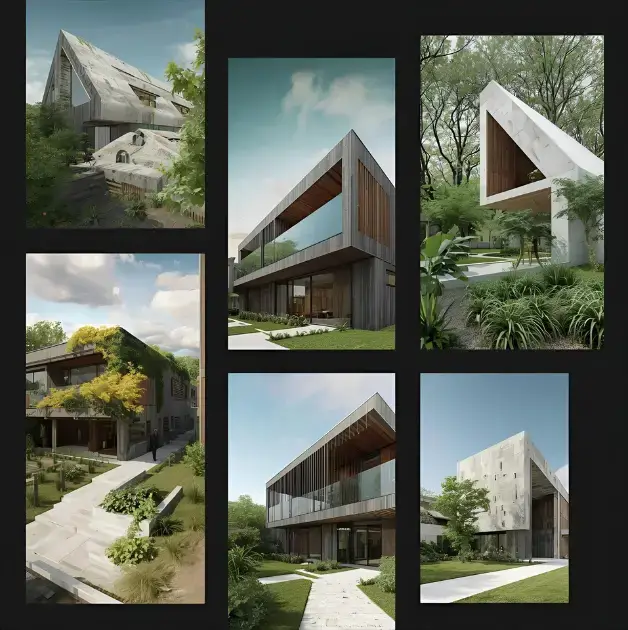
The construction landscape in Christchurch is undergoing a remarkable transformation as the industry shifts towards sustainable practices and eco-friendly building materials. As we look forward to 2026, the demand for green property development has never been stronger, driven by environmental awareness, regulatory changes, and the long-term economic benefits of sustainable construction.
Property developers, homeowners, and commercial builders across the region are increasingly recognising that sustainable materials are not just an ethical choice, but a practical investment in the future of our built environment.
Christchurch’s unique position as a city rebuilding and reimagining itself presents an exceptional opportunity to lead New Zealand’s sustainable construction movement. The lessons learned from past reconstruction efforts, combined with advances in building technology, have created a perfect environment for innovation in eco-building materials.
From reclaimed timber and recycled steel to cutting-edge hempcrete and cross-laminated timber, the options available today offer superior performance whilst significantly reducing environmental impact.
Sustainable construction materials are those that minimise environmental harm throughout their lifecycle—from extraction and manufacturing to installation, use, and eventual disposal or recycling. These materials typically have lower embodied energy and reduced carbon emissions, and often come from renewable or recycled sources.
The definition extends beyond the material itself to encompass responsible sourcing, ethical manufacturing practices, and the potential for reuse or recycling at the end of the building’s life.
In Christchurch, the focus on sustainable materials aligns perfectly with the city’s seismic requirements and coastal climate considerations. Materials must not only meet environmental standards but also withstand the region’s unique challenges, including earthquake resilience and exposure to salt-laden winds.
This dual requirement has sparked innovation in material science, resulting in products that are both environmentally responsible and structurally superior.
According to the World Green Building Council, the construction industry accounts for approximately 39% of global carbon emissions, with building materials and construction activities contributing significantly to this figure. In New Zealand, the building and construction sector accounts for a substantial share of the country’s carbon footprint, making the shift to sustainable materials a critical component of meeting national climate targets.
The environmental benefits of sustainable construction extend beyond carbon reduction. These materials typically require less water during production, generate less waste, and often improve indoor air quality through reduced off-gassing of volatile organic compounds. For Christchurch properties, this translates to healthier living and working environments, reduced operational costs, and increased property values as green buildings become more desirable in the marketplace.
Cross-laminated timber has emerged as one of the most exciting developments in sustainable construction. This engineered wood product consists of multiple layers of timber boards stacked at right angles and bonded together, creating panels with exceptional strength-to-weight ratios. CLT offers excellent seismic performance—a crucial consideration for Christchurch—whilst sequestering carbon throughout the building’s lifetime.
Local projects incorporating CLT have demonstrated construction timelines reduced by 20-30% compared to traditional methods, with a typical residential project in Christchurch costing between $2,800 and $3,500 per square metre installed. The material’s prefabrication capabilities mean less on-site waste and disruption, making it particularly attractive for urban infill projects where construction logistics can be challenging.
Hempcrete, a mixture of hemp hurds and lime binder, represents a revolutionary approach to wall construction and insulation. This material offers exceptional thermal and acoustic properties whilst being completely biodegradable and carbon-negative—the hemp plant absorbs more CO2 during growth than is released during processing and transportation.
According to industry research, hempcrete provides excellent temperature regulation, reducing heating and cooling costs by an estimated 50-70% for Christchurch’s variable climate.
Alternative bio-based insulation options, including sheep’s wool and recycled paper products, have gained traction in local green property development. These materials provide R-values comparable to or superior to traditional fibreglass insulation whilst offering better moisture management—a critical factor in Christchurch’s coastal environment.
The circular economy principle has taken firm hold in Christchurch construction, with recycled steel, reclaimed timber, and recycled concrete aggregate becoming increasingly common. According to the Steel Recycling Institute, recycled steel requires approximately 75% less energy to produce than virgin steel, whilst maintaining identical structural properties, making it ideal for seismic reinforcement and structural frameworks.
Reclaimed timber from demolished buildings offers unique aesthetic qualities alongside environmental benefits. A typical reclaimed timber feature wall in a Christchurch home might cost between $180 and $320 per square metre installed, comparable to high-quality new timber, whilst providing character and reducing waste.
The financial case for sustainable construction has strengthened considerably as material costs have decreased through improved manufacturing processes and increased demand. Whilst some eco-building materials carry higher upfront costs, lifecycle economics tell a compelling story. Reduced energy consumption, lower maintenance requirements, and enhanced durability often result in payback periods of 5-8 years for residential properties and 3-5 years for commercial buildings.
Properties incorporating sustainable materials often achieve rental and sale premiums of 10-15% compared to conventional builds, reflecting growing market recognition of long-term value, reduced operating costs, and the appeal of environmentally responsible construction. Insurance providers have also begun offering reduced premiums for buildings incorporating resilient, sustainable materials.
Christchurch’s building requirements have evolved significantly to encourage sustainable construction practices. The Building Code now includes provisions that favour materials with lower environmental impacts whilst maintaining stringent seismic and weatherproofing standards essential for the region.
Local authorities have introduced streamlined consent processes for projects meeting specific sustainability criteria, including the use of verified eco-building materials and energy-efficient design principles. This regulatory support, combined with central government initiatives promoting sustainable construction, has created an environment where environmentally responsible building is both encouraged and economically viable.
Selecting appropriate sustainable materials for Christchurch requires careful consideration of the local environment. The city’s coastal location brings salt-laden winds that can accelerate corrosion of certain materials, whilst seismic activity demands exceptional structural performance. Temperature variations between seasons necessitate materials that perform well across a range of conditions.
For exterior cladding, options such as fibre cement boards made with recycled content offer excellent weatherproofing, fire resistance, and durability. These products typically cost between $85 and $140 per square metre installed and can last 50+ years with minimal maintenance in Christchurch’s climate.
For foundation work, recycled concrete aggregate provides identical structural performance to virgin aggregate whilst reducing embodied energy by approximately 60%. The material has proven particularly effective across Christchurch’s varied soil conditions, with costs typically running 5-10% below those of conventional concrete when sourced locally.
The sustainable construction sector continues to evolve rapidly, with new materials and techniques emerging regularly. Graphene-enhanced concrete, mycelium-based insulation, and algae-derived building materials represent the cutting edge of construction technology. While some remain in developmental stages, others are approaching commercial viability and will likely become available in the Christchurch market within 2-3 years.
Prefabrication and modular construction techniques are revolutionising the deployment of sustainable materials. Factory-controlled environments enable precise material use, minimal waste, and superior quality control. According to construction industry reports, this approach can reduce construction waste by 70-80% compared to traditional on-site building methods whilst maintaining or improving build quality.
Transitioning to sustainable construction requires careful planning and collaboration among all project stakeholders. Early engagement with architects, engineers, and builders familiar with eco-building materials ensures that designs maximise the benefits of these materials whilst meeting all performance requirements.
Material sourcing represents another critical consideration. Prioritising locally produced or sourced sustainable materials reduces transportation emissions whilst supporting the regional economy. Christchurch benefits from proximity to several sustainable materials manufacturers and suppliers, enabling sourcing of many products within the Canterbury region and reducing both costs and environmental impact.
The trajectory of sustainable construction in Christchurch points towards increasingly sophisticated material choices and construction methods. Building information modelling (BIM) technology enables precise material-quantity calculations, reducing waste and optimising the use of sustainable materials.
Upcoming regulatory changes are expected to incentivise further sustainable construction, including potential carbon-pricing mechanisms for building materials and enhanced energy-performance standards. The market increasingly rewards early adopters of sustainable practices, suggesting that investments in eco-building materials today will yield significant returns tomorrow.
What are the typical cost differences between sustainable and conventional building materials in Christchurch?
The cost differential varies significantly by material type and project scale. On average, sustainable materials might add 5-12% to initial construction costs, though this gap is narrowing. For a typical 200-square-metre Christchurch home, this translates to an additional upfront investment of approximately $15,000 to $35,000.
However, lifecycle costs typically favour sustainable options due to reduced energy consumption (often 40-60% lower utility bills), minimal maintenance, and superior durability. Many builders report that efficient construction methods using prefabricated sustainable materials can reduce overall project costs by 8-15% through shorter construction time and reduced waste.
How do sustainable building materials perform in Christchurch’s seismic environment?
Modern sustainable materials often exceed conventional options for seismic performance. Cross-laminated timber, for instance, offers exceptional strength-to-weight ratios and flexibility, making it ideal for earthquake-prone regions. During seismic events, CLT structures can absorb and dissipate energy effectively whilst maintaining structural integrity.
Engineered sustainable materials undergo rigorous testing to meet New Zealand’s stringent seismic standards, often surpassing minimum requirements. The combination of lighter weight and engineered flexibility makes many eco-building materials superior choices for Christchurch construction.
Which sustainable materials provide the best return on investment for Christchurch properties?
High-performance insulation materials, including bio-based options such as sheep’s wool and recycled paper products, typically deliver the fastest return on investment, often recouping costs within 3-5 years through reduced heating and cooling costs. Energy-efficient windows and doors with sustainably sourced timber frames follow closely behind.
For structural elements, cross-laminated timber and recycled steel offer excellent long-term value through durability and reduced maintenance. Solar-ready roof systems using recycled metal roofing materials combine immediate energy savings with minimal maintenance requirements over 50+ year lifespans.
How can I verify that building materials are genuinely sustainable and not just greenwashed?
Look for recognised third-party certifications such as Environmental Product Declarations (EPDs), Declare labels, or Green Star ratings. These certifications require transparent disclosure of material composition, manufacturing processes, and environmental impacts throughout the product lifecycle—request documentation showing embodied energy calculations, recycled content percentages, and supply chain transparency. Additionally, organisations like the New Zealand Green Building Council maintain databases of verified sustainable products. When working with professionals familiar with sustainable construction, they can guide material selection based on verified environmental performance data rather than marketing claims.
The adoption of sustainable building materials in Christchurch represents more than an environmental imperative—it’s a pragmatic response to economic realities, regulatory evolution, and market demands. As we enter 2026, the integration of eco-building materials into mainstream construction has accelerated beyond early predictions, driven by improved performance, competitive pricing, and growing awareness of their long-term benefits.
For property owners, developers, and builders in Christchurch, the message is clear: sustainable construction is not a future trend but a present reality offering tangible advantages. The combination of environmental responsibility, economic benefit, superior performance, and market appeal makes eco-building materials the logical choice for virtually any project scale.
Whether planning a residential renovation, new home construction, or commercial development, incorporating sustainable materials positions your project for success in Christchurch’s evolving construction landscape, delivering value that extends far beyond the initial build.

Alert Building Inspection Services provides comprehensive building reports across Christchurch and New Zealand. Trust our expert inspectors to give you clarity and confidence in your property decisions. For professional building inspection services and expert advice, visit our website. Book your building inspection here. You can also read more articles like this on our blog.
Part of the Alert Building Inspections network — serving all of New Zealand
Graham Scott says:
This is a solid overview of sustainable materials, though I’d flag that businesses investing in these solutions need to factor in the compliance timeline carefully. From a tax perspective, there are some genuine opportunities here – depreciation schedules for green building components can be quite favourable, and the Green Building Levy exemptions for certain certified projects are worth exploring before committing budget. I’ve seen a few of my construction clients miss out on substantive deductions simply because they didn’t document the environmental certifications properly upfront. One thing I’d add: if you’re sourcing locally-produced sustainable materials in Christchurch, make sure you’re capturing those GST implications correctly, especially if you’re working across regional suppliers. The compliance costs of getting this wrong can quickly offset any material savings.
CJ says:
The sustainability angle is solid, but I’m curious whether developers in Christchurch are actually factoring in the long-term maintenance costs of these materials versus traditional options—or is cost still winning out over environmental claims? Seems like the real test is whether investors see genuine ROI here, not just greenwashing.
Olivia Chen says:
Been looking at Christchurch builds while researching the market here, and I’m sceptical about the cost comparison you’ve drawn between timber and concrete—the upfront price difference is narrower than you’ve suggested, but the maintenance costs over 20 years tip differently depending on the climate zone. The earthquake resilience angle is solid though, and that’s genuinely shifting how developers are thinking about material selection down here versus Auckland where we just… build and hope.
Tom Gallagher says:
The cost argument’s a real one though—clients ask me constantly about payback periods on sustainable builds, and honestly, the numbers have shifted enough in the last few years that it’s worth running the actual figures rather than assuming it’s a premium you can’t justify. If you’re factoring in long-term rates and insurance savings alongside resale value, the gap narrows way more than people think.
Bec F. says:
The payback period on sustainable materials in Christchurch is genuinely improving now—I’ve run the numbers on two recent builds and the energy efficiency premiums are offsetting the upfront costs faster than they were 3-4 years ago. Where I’d be careful though is assuming all “sustainable” products deliver the same ROI; some are marketing fluff, so isolate the actual operational savings (heating, cooling, maintenance) before committing to the premium.
The Flying Finn says:
The payback period on sustainable materials is still the sticking point for most developers in Christchurch though—unless councils start incentivising it properly, you’ll keep seeing the cheaper short-term option win out. Long-term, absolutely makes sense for building stock that needs to last another 50+ years.
Natalie Cooper says:
When we were evaluating properties last year, sustainable materials became a real sticking point because we couldn’t inspect the actual workmanship in person—had to rely entirely on builder certifications and photos. The cost premium for materials like cross-laminated timber is worth it for resale value, but honestly, it made the buying process even more complicated when we’re already dealing with distance and time zone delays.
S.M. says:
The material cost analysis here is solid, but I’m curious how you’re seeing the durability data stack up over 20+ year lifecycles—that’s where the real ROI conversation happens for residential developers in Christchurch. Seems like the upfront premium is narrowing, which changes the investment calculus pretty significantly.
Ryan says:
How much are these sustainable materials actually costing compared to standard building supplies right now? I’m trying to figure out if they’re viable for first-home builds in the current market, or if we’re still a few years away from the pricing being realistic for most people.